THE SKETCHSO WORKTABLE
A little guidance.
A new place to go.
Practical help for the part you’re working on. Find a reference, transfer an outline, try a medium, or choose your next subject.
A GOOD PLACE TO BEGIN
A familiar face.
Made by your hand.
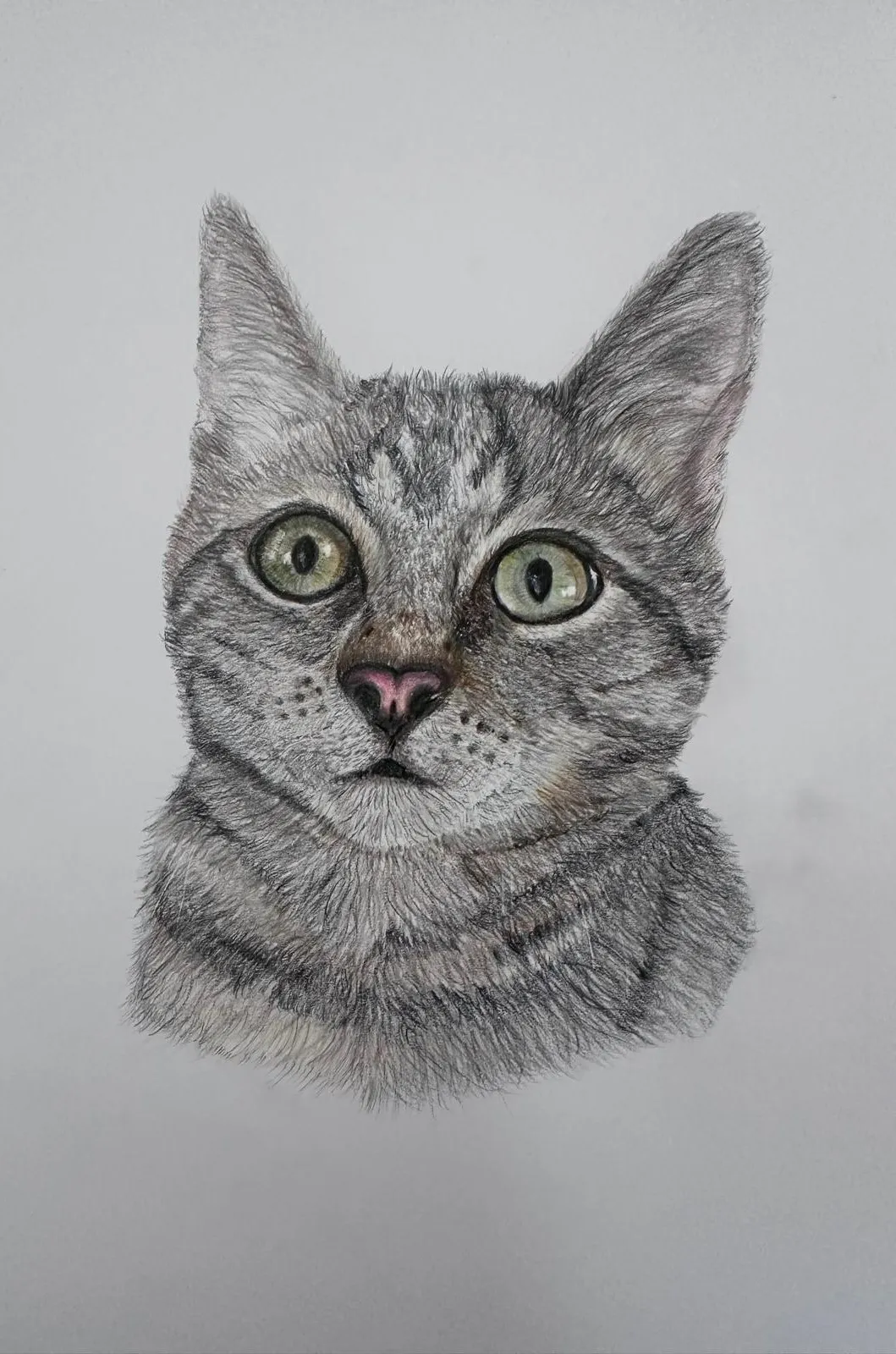
Start a pet portrait with a reference you love. Learn to prepare the outline, check the shapes, and get ready for the first pencil marks.
Try a portrait projectFind your next step.
26 guides to explore
Watercolor Tracing: Transfer a Light Guide Without Losing Your Whites
Choose a watercolor transfer method, test printed ink, simplify your outline and protect white paper before the first wash.
“Invisible” Tracing Outlines: What They Can and Cannot Do
Understand faint printed guides, line visibility and graphite transfer. Learn to prepare a useful outline without promises of invisible ink.
Digital Outlines, Light Pads or Graphite Transfer: Which Fits Your Project?
Compare photo outlines, light-pad tracing and graphite transfer by surface, size, editability and the marks left on your artwork.
Photo Tracing Problems: Diagnose and Fix Your Guide
Fix missing features, busy outlines, wrong print size, misaligned tiles and marks that show through paint with a practical troubleshooting sequence.
Prepare a Photo Reference and Transfer Guide for Oil Painting
Plan the composition, reduce a photo to useful landmarks, transfer to a prepared surface and keep the reference for value and color decisions.
How to Choose a Photo-to-Sketch Converter for Your Artwork
Compare sketch tools using your own reference: retained features, editable line detail, print size, export terms and the intended artistic result.
Prepare a Dog Portrait Outline That Keeps the Likeness
Choose a useful pet reference, check eyes and muzzle, simplify fur and prepare a sized guide for your dog portrait.
Draw More Realistically from Photos: Shape, Value and Edges
Practice realistic drawing with a focused sequence for proportions, value groups, edges and detail, using a reference you can evaluate.
How to Draw a Portrait from a Photo Without Losing the Likeness
Check the photo for lens and lighting problems, pick one unit of measurement, place the features, then render. A practical order for portraits drawn from photographs.
Is Tracing Cheating? What Artists, Exhibition Rules and Copyright Law Say
Rockwell projected and traced his photographs. Some exhibitions still ban copying other people’s photos. Here is where tracing is normal practice and where it can get you disqualified or sued.
Colored Pencil Techniques, Shown on One Cat Portrait from Guide to Finish
Five photos of a real Polychromos cat portrait show layering, reserved highlights, fur direction and working outward from one eye. With lightfastness ratings explained.
How to Transfer a Photo to Canvas: Sizes, Sheet Counts and Methods
How many printer sheets a 16 × 20 canvas needs, whether your phone photo is sharp enough at that size, and four ways to get the outline onto canvas.
How to Draw Animals from Photos: Eyes, Fur and What the Camera Misses
A dog photo, its outline and the finished colored pencil drawing, side by side. Learn what an outline captures, what you must draw from the photo, and how species differ.
How to Trace a Photo onto Paper: Five Methods, Step by Step
Step-by-step instructions for tracing a photo with a window, a light pad, pencil rubbing, transfer paper or a printed guide, with what each one works on and what can go wrong.
Light Box Alternatives: Trace Without Buying a Light Pad
A window, a tablet, a glass table with a lamp, or no light at all. How to trace through paper with what you already own, and when it is worth buying a light pad.
Reference Photos for Artists: How to Take Them and Where to Find Ones You Can Use
Lighting, distance and angle for reference photos you take yourself, plus which free photo licences actually let you sell the artwork you make from them.
How to Draw from a Reference Photo: What to Copy and What to Change
Cameras crush shadows, blur backgrounds and tint colours. How to read a reference photo like an artist, edit a working copy, and combine more than one photo.
How to Draw a Face for Beginners: Build It from a Ball and a Jaw
Construct a face that can turn and tilt, using a sphere, a jaw and three guide lines. Includes the classic proportion rules and where real faces break them.
How to Draw Proportions Accurately: Six Ways to Measure What You See
Sight measuring with a pencil, plumb lines, negative space, proportional dividers, grids and head counts for figures. Practical measuring for any subject.
Watercolor for Beginners: Paper, Paint, Water and Your First Four Washes
What to buy first, how to read the pigment codes on a tube, why paper matters more than paint, and four exercises that teach how water moves.
Watercolor Portrait Tutorial: Skin Mixes, Glazing Order and Saving Highlights
A limited palette for skin, the order to glaze light to dark, when to use masking fluid, and how to paint eyes and hair without losing freshness.
How to Draw Eyes: A Sphere Wrapped in Eyelids
Draw eyes as a ball with lids that wrap around it. Where the lids cross the iris, how thick the lower lid is, how to place highlights in both eyes, and the three-quarter view.
How to Draw a Nose: Planes, Cartilage and Shadow Shapes
Draw noses with shadow shapes instead of outlines. The bone and cartilage structure, the four planes, the nostrils from different angles and why the far wing disappears.
How to Draw Lips: Light Lower, Shadowed Upper, Dark Line Between
Lips are two planes that face different directions. Draw the parting line first, shade the upper lip as it angles down, light the lower lip, and leave out the outline.
How to Draw Hair: Masses, Direction and a Few Strands
Draw hair as large shapes of light and shadow that follow its growth, then add only the strands that show. Covers straight, wavy, curly and coily hair and soft hairlines.
How to Draw Hands: Mitten First, Then the Knuckle Arc
Simplify the hand into a palm block and a thumb wedge, find the arc of the knuckles, and draw fingers as tapering segments. With the proportions that matter and how to handle foreshortening.
OR FOLLOW YOUR CURIOSITY