A practical guide from Sketchso
Watercolor Tracing: Transfer a Light Guide Without Losing Your Whites
A watercolor guide should help you place the subject without dictating every edge. Start with the palest useful marks, choose how to transfer them, and test the combination of paper, ink and paint before committing to the final sheet.

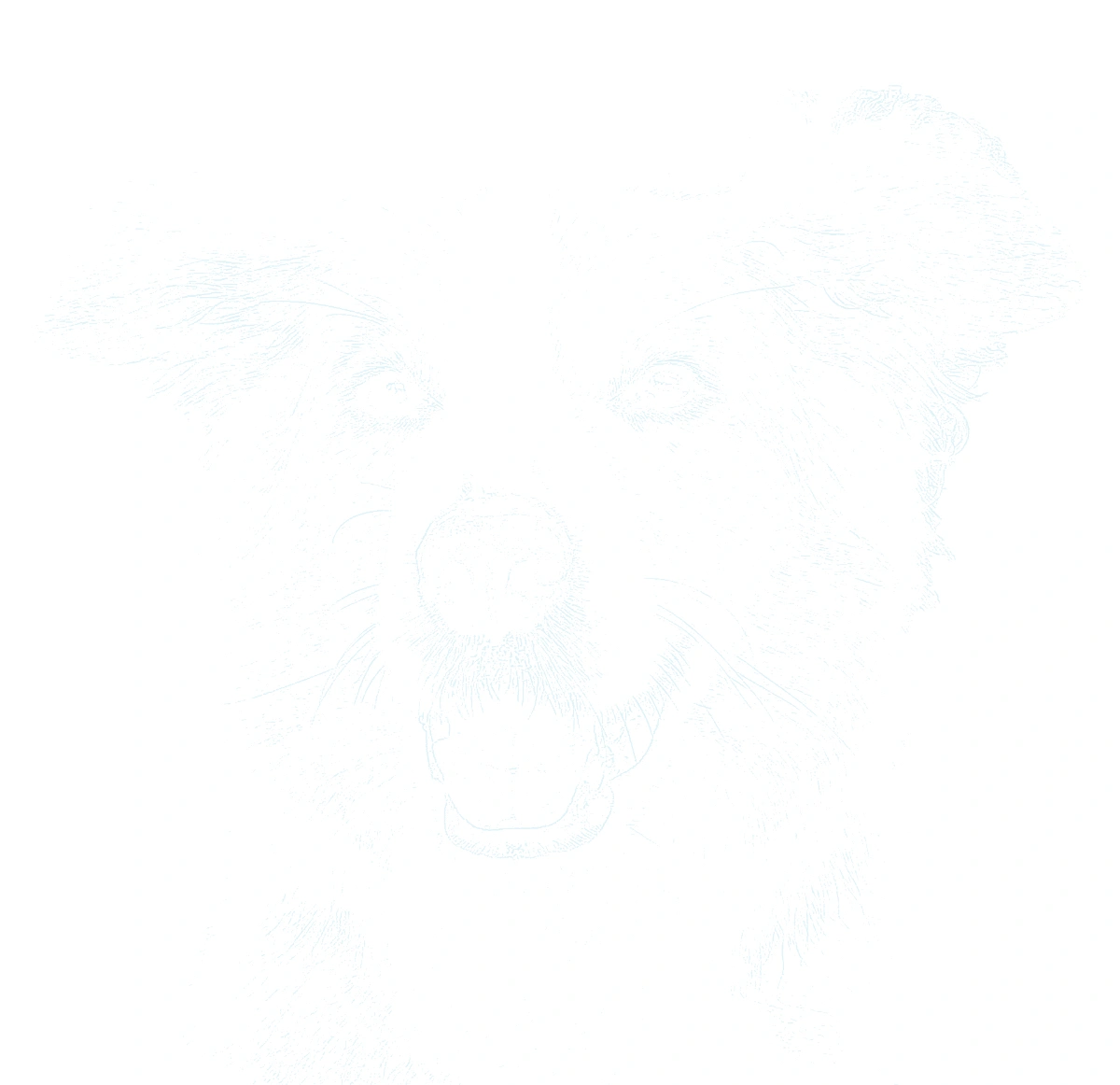
Choose the transfer method before adjusting the outline
For a light pad or a bright window, print the guide on ordinary paper and place your watercolor sheet over it. Trace lightly with a pencil. Thick or textured paper may make the image difficult to see; darkening the guide underneath is better than pressing harder on the painting sheet.
For opaque or heavy paper, use graphite transfer paper between the print and your painting surface. Secure two corners so the sheets cannot slide. Trace a small feature and lift a corner before continuing. If the mark is too strong, reduce pressure. Direct printing is a separate option only when the printer supports your exact paper and its ink behaves acceptably under water.
Keep placement lines, not a map of every shadow
On a pet portrait, identify the eyes, nose, outside of the head and a few major changes in the coat. Omit individual hairs and most small shadow edges. On a flower, keep the outer silhouette and the overlaps that explain which petal is in front. Soft interior transitions can be painted without a drawn boundary.
Compare Simple and Balanced previews. Choose the one that retains your essential features, then erase unnecessary lines. Lower line visibility gradually while checking the lightest area of the subject. There is no universal opacity setting that becomes invisible under every watercolor pigment, paper and printer ink.
Make a small materials test
Use a scrap of the same paper. Create a short guide line and let any printed ink dry. Paint your palest intended wash across one section, a stronger wash across another, and leave part untouched. After drying, check whether the guide is visible, whether ink spread into the wash and whether rubbing damaged the surface.
If ink bleeds, switch to a pencil transfer. If the line shows through a pale wash, reduce the mark before painting or omit it from that area. Printed ink does not erase like graphite. A kneaded eraser may lift a light graphite transfer, but rubbing an ink line can damage paper without removing it.
Plan highlights and soft edges
Before transferring, mark the white shapes on a separate reference copy. These may be reflections in an eye, a rim of light on a petal or a gap between leaves. Avoid printing a continuous dark outline through a shape you intend to leave as bare paper.
A guide line does not stop wet paint from spreading. Water control, timing and paper wetness determine the edge. If you use masking fluid, follow its manufacturer instructions and test on a scrap. Winsor & Newton describes applying its removable Art Masking Fluid to dry paper; it forms a temporary protective layer. This is different from a printed guide.
Check the transfer before the first wash
Look at the drawing from arm’s length. Check the overall width and height, the tilt of important features and the spaces between them. Remove construction marks you no longer need. Keep the original photograph nearby for color and value information: an outline cannot tell you how dark to make a wash.
For a larger painting, the Sketchso project planner can divide the outline across A4 or Letter sheets. Print the scale check first, then print the guide at actual size. Assemble the sheets before transferring so a misaligned join does not become a distorted feature.
Questions before you start
Will blue lines disappear under watercolor?
Not reliably. Transparent washes can leave blue or gray printer ink visible. Test the exact materials, or use a light graphite transfer when you need to lighten marks before painting.
Can I put watercolor paper in my printer?
Only if the printer supports its size, thickness and weight. A paper being called watercolor paper does not establish compatibility. Check the printer specifications and start with a spare sheet.