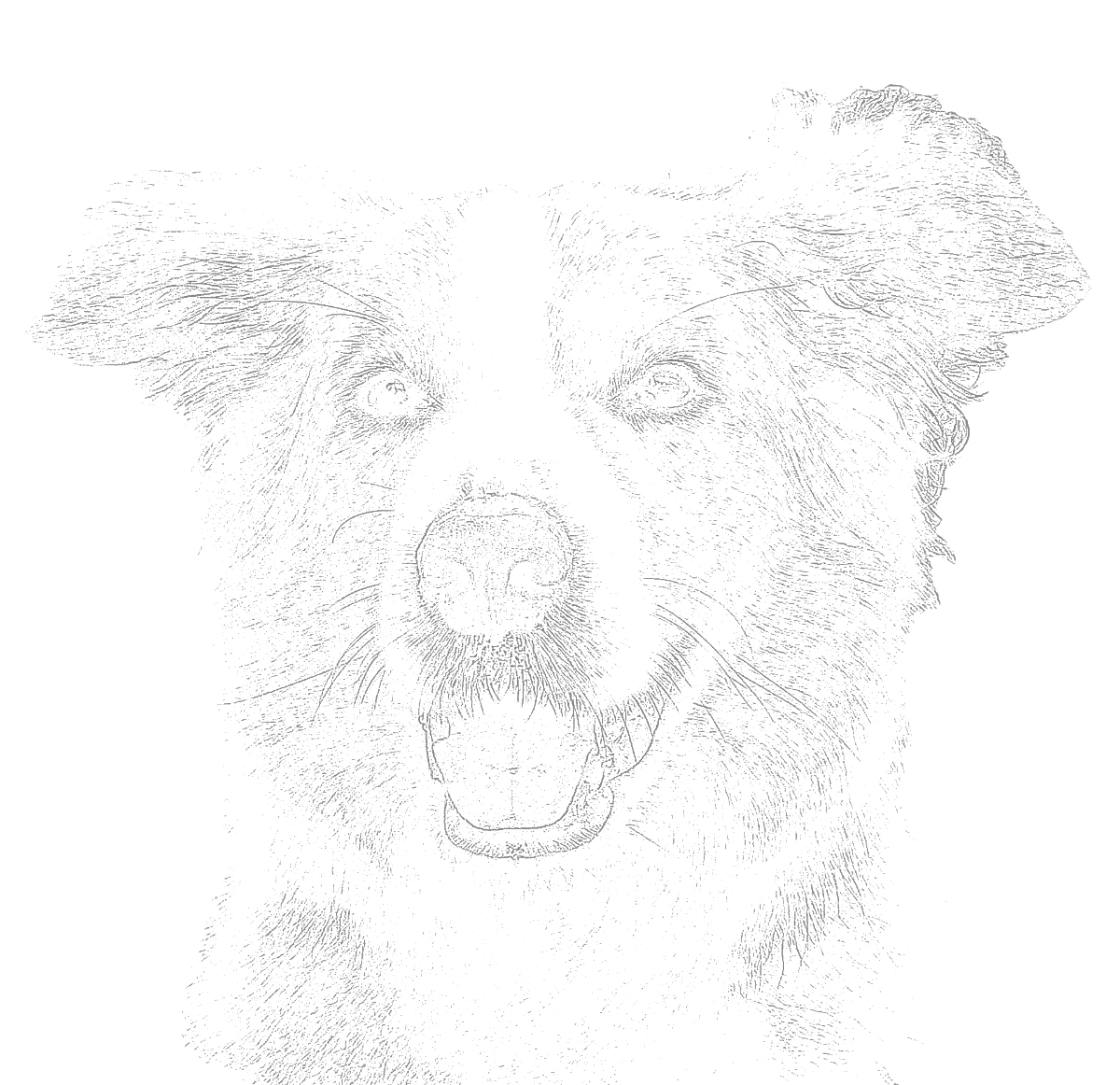
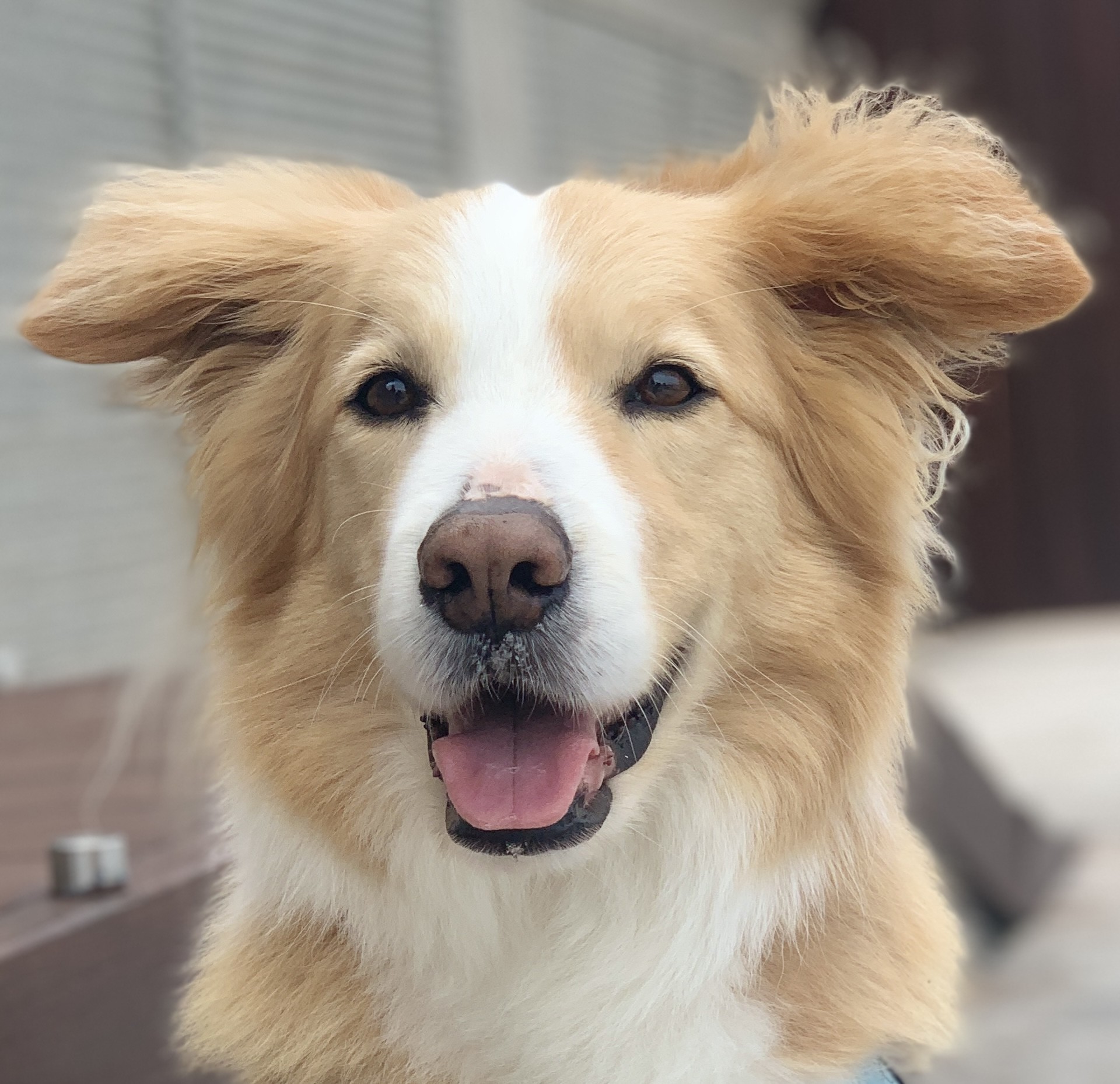
Turn Photo into Traceable Sketch
Create print-ready traceable sketches from photos for watercolor, pencil, charcoal, and canvas work. The outline stays light enough to disappear under your final artwork.
Invisible Outlines
Print on Art Paper
Any Art Medium
Disappears Under Art
How do I turn a photo into a traceable sketch?
Sketchso creates invisible tracing outlines (12-15% opacity) that you can print directly on art paper. Upload your photo, adjust the outline settings, print on your paper, then draw or paint over it. The outline disappears under pencil, watercolor, oil paint, or any medium!
Step-by-Step Process:
- 1Upload your photo to Sketchso
- 2Adjust outline opacity (12-15% recommended)
- 3Print directly on your art paper
- 4Draw or paint over - outline disappears!
The History and Practice of Tracing in Fine Art
For decades, there has been a lingering myth in the art community that tracing is a form of cheating. However, art history proves otherwise. The practice of transferring a traceable sketch onto a final canvas or painting surface is a time-honored tradition used by some of the most celebrated master painters in history. When you choose to turn a photo into a traceable sketch, you are walking in the footsteps of legends.
Old Masters and the Camera Obscura
During the Renaissance and the Dutch Golden Age, masters like Johannes Vermeer were known to use the camera obscura—a literal "dark room" with a lens that projected an image of the outside world onto a canvas. Vermeer would trace this projection to ensure the complex perspectives and proportions of his highly detailed interior scenes were flawless. He didn't view this as a shortcut; he viewed it as a necessary tool to achieve hyper-realism before he began the difficult work of painting the luminous light he is famous for.
Modern Illustrators and the Lightbox
In the 20th century, illustrators like Norman Rockwell frequently used projectors (the opaque projector or "balopticon") and lightboxes to transfer reference photos to their final drawing boards. Rockwell was famous for staging elaborate photo shoots with models, projecting those photos, and creating a traceable sketch to lock in the expressions and poses. The genius of Rockwell's work wasn't in drawing from memory—it was in how he interpreted, exaggerated, and painted the traced lines.
The Digital Age: Tracing Outlines
Today, the projector and the lightbox are being replaced by digital tools. By using Sketchso to turn your photo into a traceable sketch, you are simply utilizing the modern equivalent of the camera obscura. You print the invisible outline directly onto your watercolor paper or transfer it to your canvas, ensuring accurate proportions instantly so you can focus entirely on your brushwork and color theory.
Step-by-Step: How to Transfer Your Traceable Sketch to Canvas
While watercolorists and colored pencil artists can often print their traceable sketch directly onto their final paper using an inkjet printer, acrylic and oil painters working on canvas need a way to transfer the image. Here is the professional method for transferring your generated sketch outline onto a primed canvas.
Step 1: Generate and Print
First, use Sketchso to generate your traceable sketch. Because you are transferring the image, you can afford to make the outline slightly darker (around 30-40% opacity) so it is highly visible. Print this outline onto standard computer paper. If your canvas is large, use the tiling function on your printer to print the image across multiple sheets, and tape them together.
Step 2: Prepare the Transfer Paper
You can buy commercial graphite transfer paper (carbon paper), but making your own is often cleaner and easier to erase. Take a soft graphite pencil (4B or 6B) or a stick of willow charcoal, and heavily scribble all over the back of your printed sketch. Ensure the area directly behind the outline is completely covered in graphite.
Step 3: Tape and Trace
Place your printed sketch on your canvas, graphite-side down. Tape the top edge securely to the canvas using masking tape or painter's tape so it acts like a hinge. Using a colored ballpoint pen (red or blue works well so you can see where you've traced), firmly trace over the printed outline. The pressure from the pen will press the graphite on the back of the paper onto the textured canvas. Once finished, lift the paper to reveal a perfect, clean traceable sketch ready for painting.
Why Tracing Helps You Learn Faster Than Freehand Drawing
Many beginner artists are told they must draw entirely freehand to build their "muscle memory" and observation skills. While freehand sketching is a vital practice, tracing is an equally powerful educational tool that is severely underutilized in modern art education.
When you try to draw a complex subject freehand—like a human face or a horse—your brain often overrides what your eyes actually see with what it *thinks* it sees. Your brain knows an eye is almond-shaped, so you draw an almond, completely ignoring the complex foreshortening caused by the angle of the head. This results in portraits that look "off" or disproportionate.
When you turn a photo into a structural outline and draw directly over it, you are forcing your hand to follow the *true* lines of the subject, rather than your brain's idealized version of it. By doing this, you learn exactly how a nose looks from a 3/4 angle, or how the jawline actually connects to the ear. You are literally training your hand to understand true proportions. Over time, this muscle memory translates into much stronger freehand drawing skills.
Why artists use traceable sketches for painting and drawing
The invisible outline disappears under your medium, so you keep the accuracy without leaving visible transfer marks behind.
Pencil & Charcoal
The faint outline guides your strokes, then disappears completely under graphite or charcoal.
Watercolor
Print on watercolor paper (140lb+). The outline vanishes under your first wash - no visible lines!
Oil & Acrylic
Transfer to canvas with perfect proportions. Paint layers completely cover the tracing guide.
Turn Photo into Traceable Sketch — FAQ
How do I turn a photo into a traceable sketch?
Upload any photo to Sketchso, adjust the detail and line weight sliders, then download or print the sketch outline. The outline prints at 12-15% opacity so you can draw or paint directly over it with any medium.
What makes it 'traceable'?
Sketchso creates outlines at 12-15% opacity — light enough to draw over but invisible in your final artwork. Unlike dark sketch filters, these outlines are designed to disappear completely under pencil, paint, or any medium.
Can I print a traceable sketch directly on watercolor paper?
Yes. Most modern inkjet printers have a rear-feed slot that can handle thick watercolor paper (140lb/300gsm). We recommend trimming your paper to 8.5x11 or 9x12 inches, feeding it through the rear tray, and printing the light outline directly onto the surface.
Will the inkjet ink bleed when I apply watercolor over it?
Typically, no. If you print the traceable sketch at a very light opacity (10-15%), the amount of ink deposited on the paper is so minimal that it will not bleed or muddy your watercolors. However, it is always best to let the ink dry for 15-20 minutes before applying heavy wet washes.
Will the tracing outline show in my finished art?
No — the 12-15% opacity outline disappears completely under your medium. Your finished artwork looks 100% hand-drawn with no visible guidelines or mechanical artifacts.
Is tracing a photo considered cheating?
Not at all. Professional artists have used tracing and projection techniques for centuries — Vermeer, Norman Rockwell, and countless illustrators relied on reference transfers. Sketchso ensures accurate proportions so you can focus on the creative part: the shading and painting.
How is this different from a light box?
A light box requires you to print a dark photo, place it under your art paper, and shine a bright light through it to trace. This only works on thin paper. If you use thick watercolor paper or canvas, light boxes are useless. Printing an invisible outline directly onto your paper completely eliminates the need for a lightbox.
Explore the next best page for this workflow
This cluster supports artists who want invisible tracing outlines for watercolor, pencil, and painting workflows.
Related tool pages
Guides that support this intent
Complete Guide to Invisible Tracing Outlines
The best supporting resource for the traceable-sketch angle.
Complete Watercolor Guide
Strong supporting resource for watercolor-focused users.
Light Box Alternative
Excellent comparison page for tracing-related searches.
Turn Any Photo into a Traceable Sketch
Invisible outlines that vanish under any medium • Free preview • From $5.99/mo
Create a Traceable Sketch Free