Pet Portrait Sketch Converter
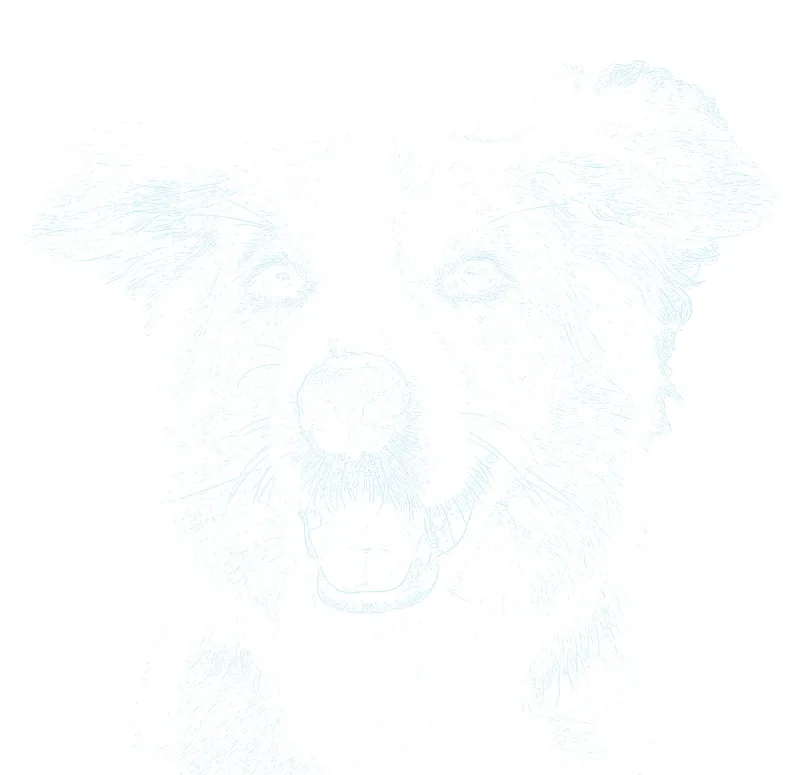
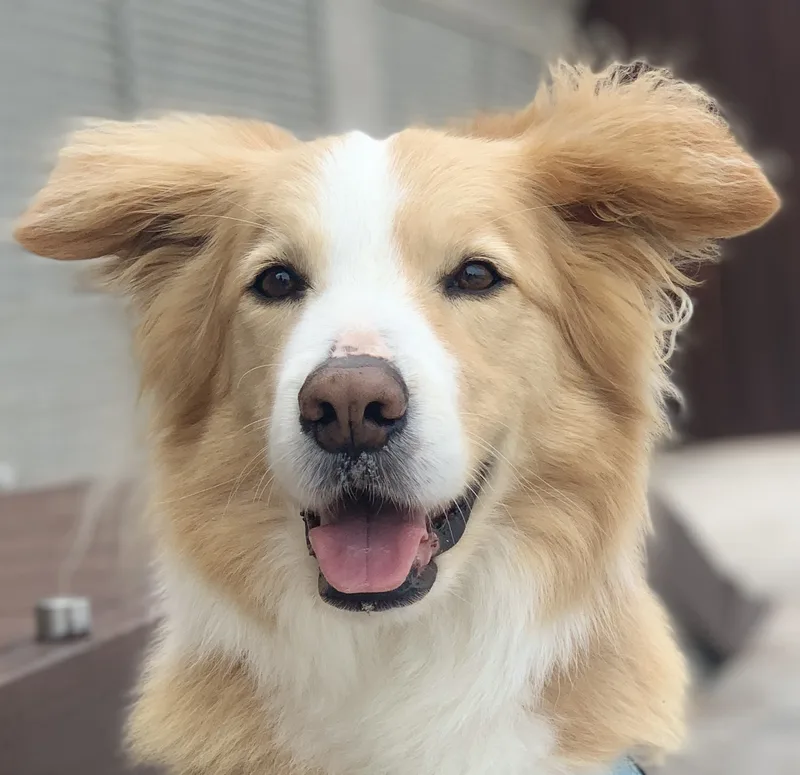
Convert photos of dogs, cats, and pets into perfect tracing outlines. Whether you are a professional artist or making a heartfelt gift, get the proportions right instantly. Preview free — no signup needed. Download & print from $5.99/mo.

Perfect for dogs & cats
Instant pet outline
Watercolor or pencil ready
Capture every detail
How do I draw a portrait of my dog or cat?
The easiest way to start a pet portrait is by locking in the basic proportions. Upload your pet's photo to Sketchso, and we'll generate an ultra-light sketch outline. Print it onto watercolor or drawing paper, and paint or draw directly over the guide. The guide disappears under your pencil or paint, leaving you with perfect proportions and your own authentic artwork.
Step-by-Step Process:
- 1Upload a clear photo of your pet
- 2Adjust the slider to capture the right amount of fur detail
- 3Preview your custom outline instantly
- 4Download, print, and start painting or drawing
How to Choose the Perfect Pet Reference Photo
The foundation of any breathtaking pet portrait, whether it's a dog, cat, horse, or bird, is an excellent reference photo. When you use a photo to sketch converter, the quality of the outline generated is directly tied to the clarity, lighting, and composition of your original image. Many artists struggle with pet portraits simply because they start with a blurry or poorly lit photograph. Here is how to select (or take) the perfect reference photo for your next animal drawing.
1. Shoot at Eye Level
One of the most common mistakes in pet photography is shooting from above. When you stand and point your camera down at your dog or cat, their proportions become distorted. Their head appears unnaturally large, and their body tapers away into the distance. For a classic, professional-looking portrait, get down on the floor. Shooting at their eye level captures their authentic expression, shows the correct proportions of their muzzle and ears, and creates an intimate connection with the viewer.
2. Seek Natural, Directional Lighting
Avoid using the flash on your camera, as it creates harsh shadows, causes "glowing eyes" (pet red-eye), and flattens out the beautiful texture of their fur. Instead, position your pet near a large window where natural light can spill across their face. Directional light—light hitting the subject from an angle—highlights the depth of their features and the rich textures of their coat. When you run a well-lit photo through the Sketchso photo to sketch converter, the tool can easily pick up these natural highlights and shadows to create a flawless tracing guide.
3. Focus on the Eyes
In any portrait, human or animal, the eyes are the focal point. The eyes convey the animal's soul and personality. Ensure that your reference photo is sharp and completely in focus, particularly around the eyes and nose. If the photo is slightly blurry, it will be much harder to capture their unique expression. A crisp image allows the sketch converter to outline the pupil, iris, and the crucial "catchlight" (the reflection of light in the eye) that brings the drawing to life.
Step-by-Step: Drawing a Dog Portrait from a Photo
Drawing a dog can be intimidating. From the complex structure of their snouts to the unpredictable direction of their fur, there are many variables to consider. Using an invisible tracing outline removes the anxiety of getting the initial proportions wrong. Here is a professional workflow for drawing a dog portrait from a photo.
Step 1: Generate Your Outline
Upload your chosen reference photo into our sketch converter. Adjust the sensitivity slider. For short-haired dogs (like Pitbulls or Pugs), you might want a simpler outline focusing on the skeletal structure and wrinkles. For long-haired dogs (like Golden Retrievers or Collies), dial up the sensitivity to capture the major groupings and flow of their fur. Download the high-resolution outline and print it directly onto your preferred art paper.
Step 2: Map the Fur Direction
Before you apply heavy shading or paint, lightly draw directly over the printed outline, noting the direction the fur grows. Fur never grows in just one direction; it radiates outward from the nose, wraps around the eyes, and flows down the neck. Your Sketchso outline will have captured the major "clumps" or locks of fur. Use these lines as a roadmap.
Step 3: Build Depth in Layers
Whether you are using graphite pencils, colored pencils, or watercolor, always work from dark to light. Establish your darkest darks first—usually the pupils, the nostrils, and the deep shadows inside the ears. Once your darkest values are in place, the rest of the values will naturally fall into place. Because your Sketchso outline is printed at a very low opacity (12-15%), you don't have to worry about erasing harsh pencil lines; the guide will seamlessly blend into your shading.
Why Invisible Tracing Outlines Beat Traditional Grid Methods for Animal Art
For centuries, artists have used the grid method to enlarge and transfer reference images onto canvas. While the grid method is a fantastic exercise in observation, it presents significant drawbacks when working on highly detailed subjects like pet portraits.
When drawing an animal, precision is paramount. A millimeter difference in the placement of a cat's eye or the angle of a dog's jaw can completely change the likeness of the pet. The grid method requires you to manually copy the contents of each square, leaving immense room for human error. Furthermore, when drawing on delicate watercolor paper, drawing and subsequently erasing a heavy graphite grid can severely damage the sizing (the protective coating) of the paper, leading to muddy watercolor washes.
By using a photo to sketch converter to generate an invisible outline, you bypass these issues entirely. You print the exact proportions directly onto your paper. There is no grid to erase, no math to calculate, and zero risk of ruining your expensive art paper with an eraser. You get to skip the tedious mechanical transfer process and immediately jump into the joyful part of creating art: the shading, the painting, and the rendering.
How to Turn Your Pet Photo into Art
Upload Photo
Choose a well-lit photo of your dog, cat, or other pet.
Adjust Settings
Dial in the detail to capture their unique expression.
Print Outline
Print directly on your art paper (watercolor, mixed media).
Add Color
Paint or draw! The outline vanishes as you work.
Frequently Asked Questions About Pet Portraits & Photo Outlines
What is the best app to turn a pet photo into a drawing?
Sketchso is considered the premier tool for artists because it does not just apply a cheap filter over your photo. Instead, it generates a highly accurate, ultra-light tracing outline that you can print on real art paper. It is designed to assist artists in creating authentic, hand-drawn pet portraits rather than digital fakes.
Can I use this tool for a pet memorial gift?
Absolutely. Creating a hand-drawn portrait is one of the most meaningful pet memorial gifts you can give. Using Sketchso guarantees that the proportions and likeness of the departed pet are 100% accurate, allowing you to focus on pouring your love into the painting or shading process.
Does the photo to sketch converter work on black dogs or cats?
Yes, but you may need to prepare your photo first. Black animals often lack contrast in photos, appearing as a solid dark silhouette. Before uploading, try turning up the brightness and contrast on your phone's photo editor to reveal the texture of their fur. Once uploaded, Sketchso will be able to read those details and generate a beautiful outline.
What kind of paper should I print the pet outline on?
This depends entirely on your chosen medium. For watercolor portraits, print on 140lb (300gsm) hot or cold press watercolor paper. For graphite or colored pencil, a smooth Bristol board or drawing paper works best. Ensure your printer can handle the thickness of the paper you choose.
Is tracing a pet photo considered cheating in art?
Not at all. Professional artists have used tools like camera obscuras, lightboxes, and projectors for centuries to ensure accurate proportions, especially for high-stakes commission work. Tracing an outline simply skips the mechanical step of proportion-checking, allowing you to spend more time on the artistic expression: the color theory, brushwork, and rendering.
How do I draw realistic animal fur?
The secret to realistic fur is layering and paying close attention to fur direction. Use the Sketchso outline to map out the major clumps of fur. Always start with your darkest shadows closest to the skin, and layer lighter colors on top. Use sharp pencils for fine details, and remember that fur clumps together; don't try to draw every single individual hair.
Rated 5/5 by Artists
Join 10+ artists who use Sketchso for their creative work
"Finally a tool made FOR artists, not just photo filters. The invisible outlines let me focus on painting instead of struggling with proportions. Worth every penny!"
Michael R.
Professional Oil Painter
"Great value for money. The adjustable sensitivity is perfect for different art mediums. I use it for colored pencil portraits and the results are amazing."
Lisa M.
Colored Pencil Artist
"My students love this tool! It helps them understand proportions while still developing their painting skills. The outlines truly are invisible under watercolor."
Amanda S.
Watercolor Instructor
Ready to Draw Your Best Friend?
Start your pet portrait with perfect proportions today.
Try Pet Portrait ConverterPreview free • No signup to try • From $5.99/mo